

A Beautiful Portfolio Is Only the Beginning. Look Closer.
Part 2 of 4 • Projects
THE MASH GUIDE TO HIRING AN INTERIOR DESIGNER
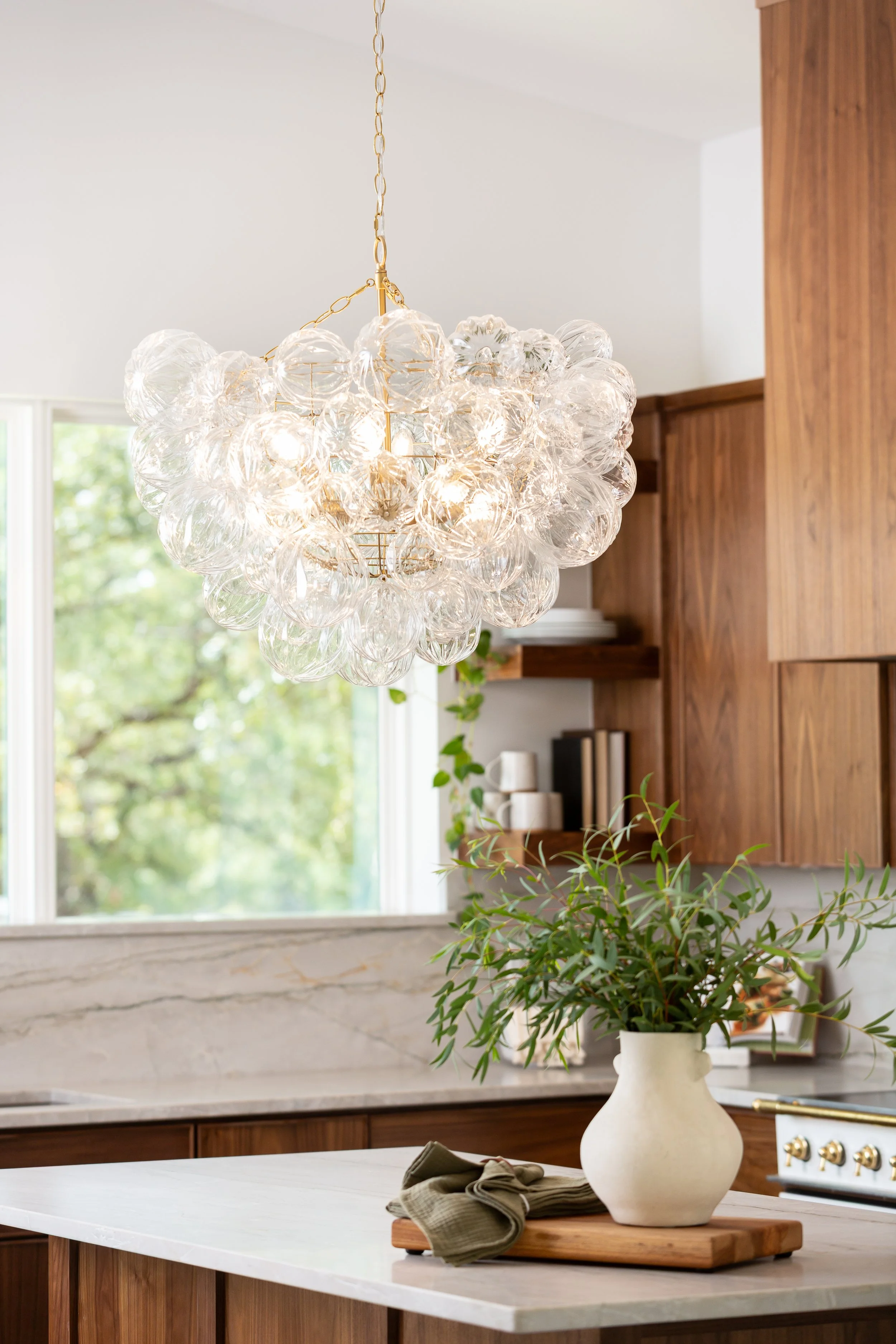
Beautiful Photos Aren't the Whole Story.
Beautiful homes don't happen by accident.
They happen through thoughtful decisions, collaboration, and problem-solving.
-MASH
A portfolio shows you the outcome.
The right questions reveal the designer behind it.
When you're interviewing interior designers, it's natural to start by looking through their portfolio.
And you should.
But don't stop there.
A beautiful project tells you what they created.
A great portfolio should also help you understand
how they think
who they design for
whether they're the right fit for your home
Here are the questions I encourage every homeowner to ask.
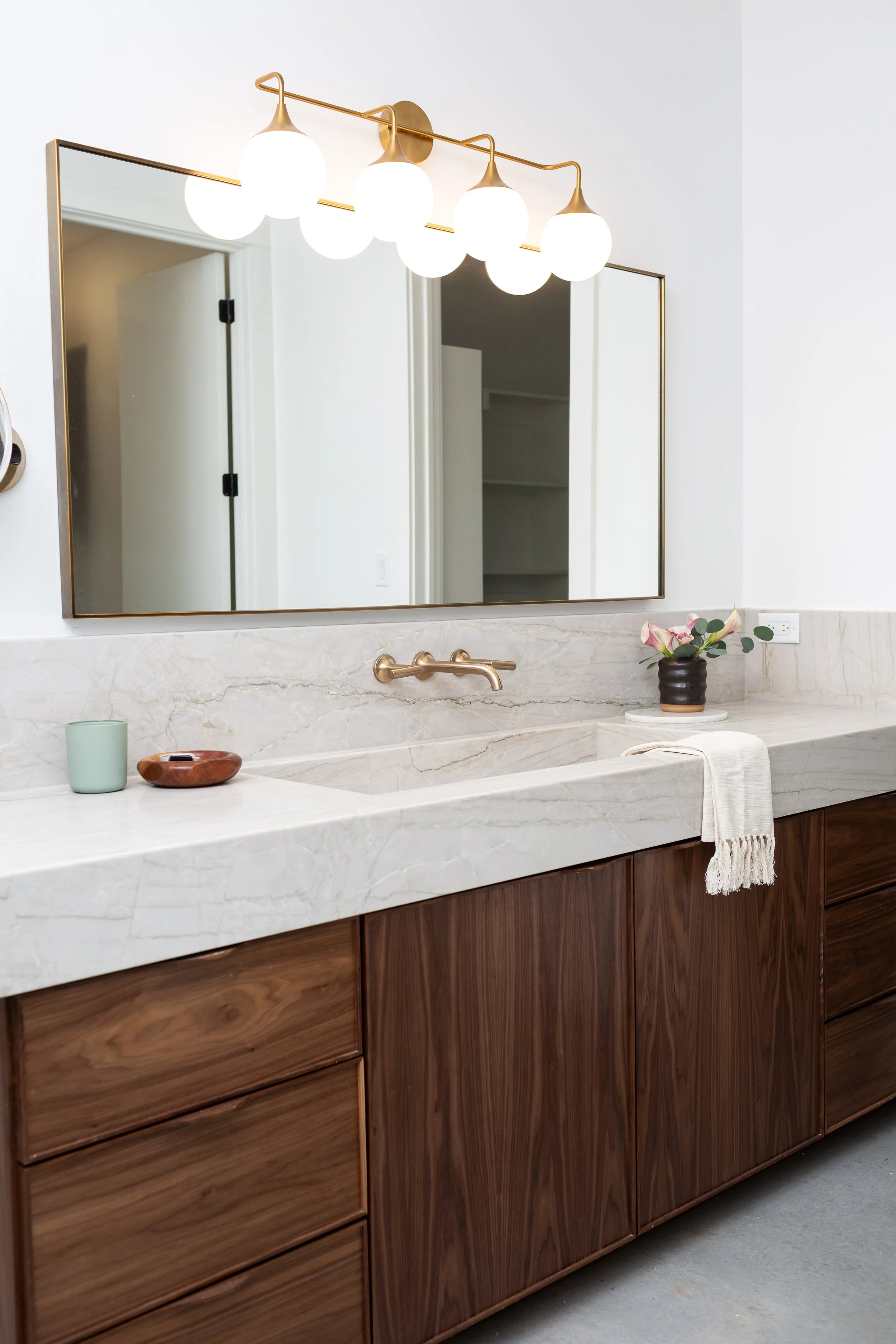
1. Do All of Their Projects Look the Same?
A beautiful portfolio should certainly show you what a designer is capable of aesthetically. But look through several projects instead of stopping at the one room you immediately love.
Do you start to see different personalities? Different architecture? Different color palettes? Different ways of living?
Or does every project begin to feel like a variation of the same house?
There’s nothing wrong with hiring a designer because you love a very recognizable aesthetic. Some clients specifically want that. But if what you want is a home that feels distinctly like you, look for evidence that the designer knows how to listen, interpret and create—not simply repeat.
One client may love color and pattern. Another may want something quiet and restrained. One house may call for warm traditional details, while another may want cleaner lines and an entirely different material palette.
That doesn’t mean a designer shouldn’t have a point of view. They absolutely should. Good designers bring judgment, experience and a trained eye to the project.
But their point of view shouldn’t erase yours.
The common thread doesn’t have to be that every room looks the same. It should be that every room feels considered.
A portfolio can tell you quite a bit about a designer’s taste.
Look a little closer, and it can also tell you whether there’s room in that taste for yours.
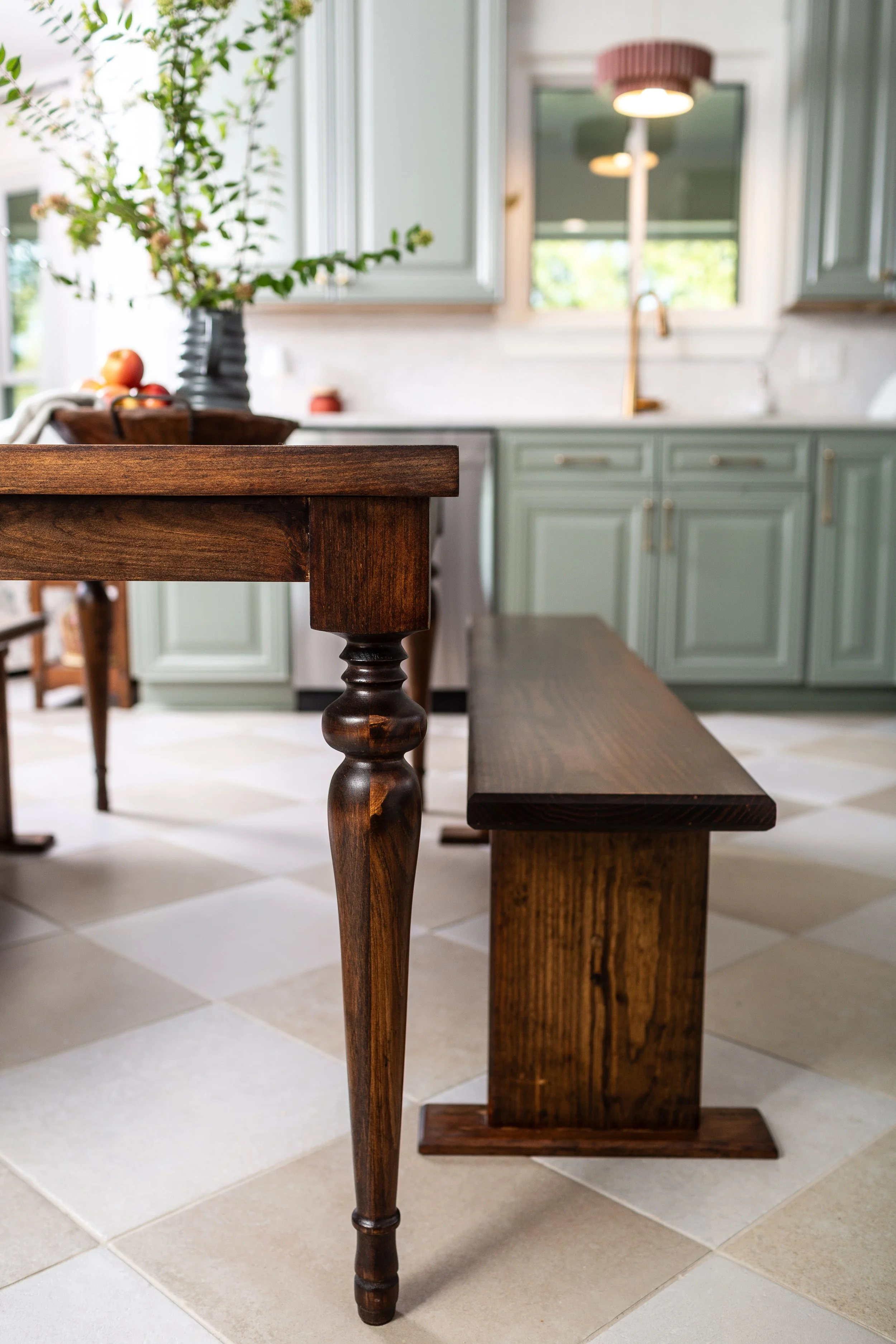
2. Have They Worked on Projects Like Yours?
Your designer doesn’t need to have completed your exact project before. In fact, you probably don’t want them recreating someone else’s home in yours.
But relevant experience matters.
A designer who primarily furnishes completed homes may have a very different skill set from one who regularly works on renovations and new construction. A kitchen or bathroom remodel requires different knowledge than furnishing a living room. A whole-home renovation or new build introduces another level of planning, documentation and coordination.
If you’re remodeling, look for evidence that the designer understands more than finishes. Do they work with floor plans, cabinetry, plumbing, lighting, electrical and material transitions? Do they understand how a decision in one area can affect three others?
If you’re building, have they worked from architectural plans? Do they think about furniture placement and how rooms will actually function before construction is complete? Are they comfortable coordinating design decisions with builders, architects and trades?
If you’re furnishing an existing home, look for experience with space planning, scale, custom pieces, window treatments and the layers that make individual rooms feel connected to the rest of the house.
And if your project includes several of those things—which they often do—you want someone who understands how they all work together.
Your designer doesn’t need to have designed your exact project before. But they should understand the kinds of decisions your project is going to require.
That’s the experience I’d be looking for.
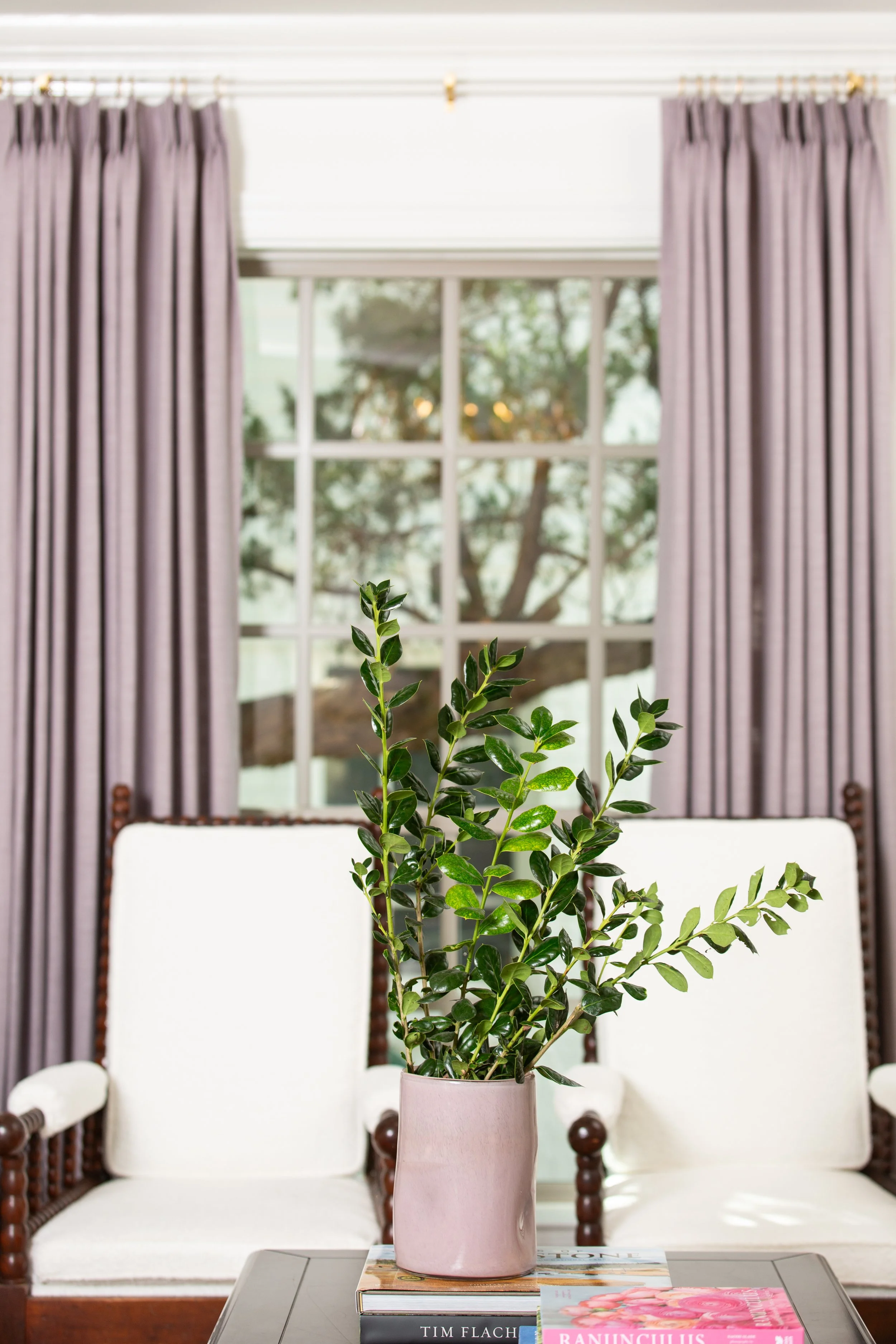
3. Do They Explain the Story Behind the Design?
Pretty pictures are easy.
The thinking behind them is where experience shows.
Ask questions like:
Why was this layout changed?
What problem was being solved?
What was important to the homeowner?
How did the finished design improve the way the homeowners live?
Great design always begins with solving a problem—not simply choosing beautiful finishes.
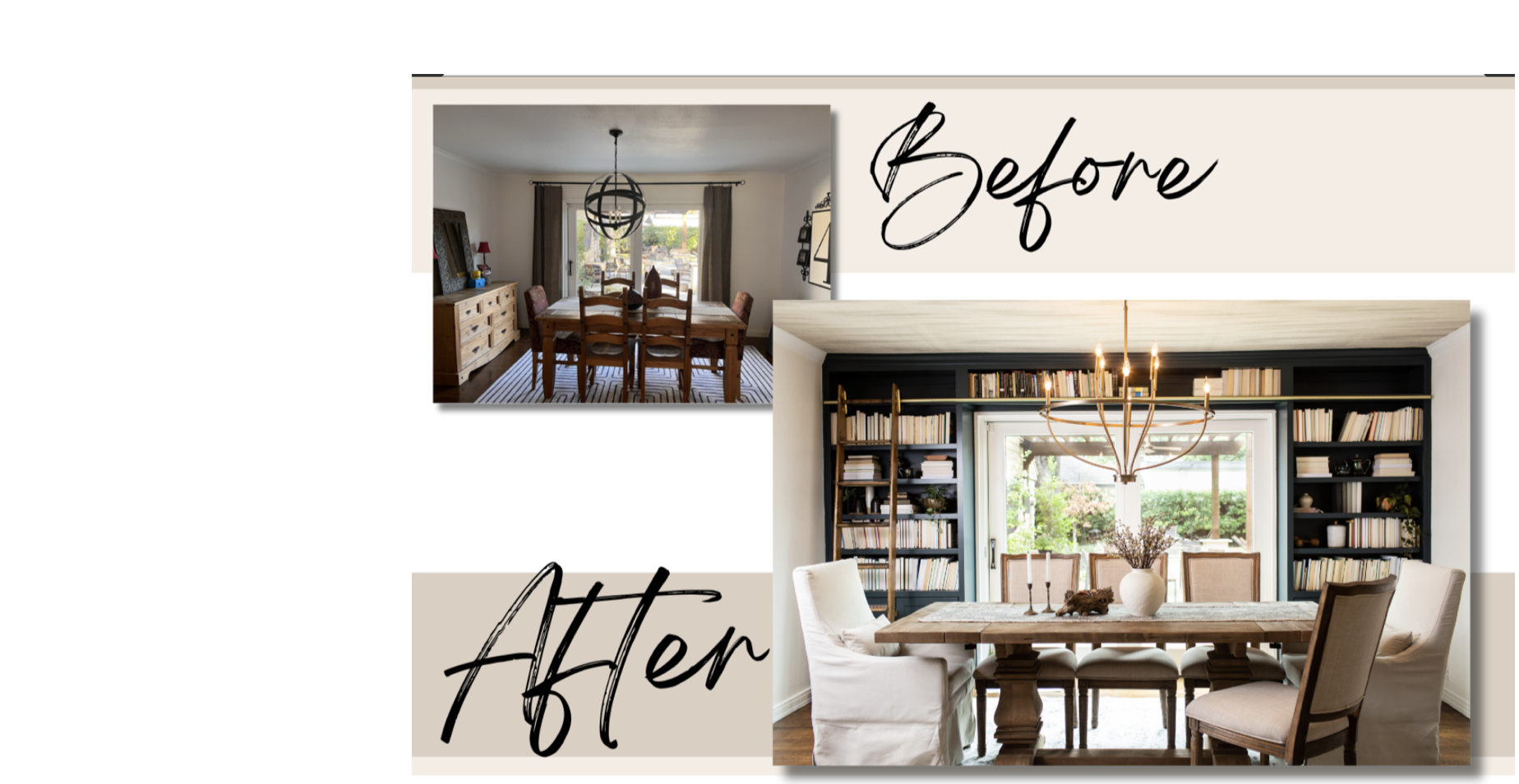
4. Can They Show You the Before—and Explain the After?
Finished photography is inspiring.
But before-and-after projects can tell you something the finished photograph can't: what the designer actually changed.
Look beyond the obvious transformation. Did they improve the floor plan? Solve an awkward architectural condition? Make the room function better? Work within something that couldn't—or shouldn't—be changed?
A good before-and-after can reveal:
Space planning Creative problem-solving Function improvements Where the budget was prioritized The ability to see potential in a space that wasn't obvious before
The transformation tells you far more than the “after” ever could.
5. Do They Balance Beauty with Function?
A beautiful room still has a job to do.
A stunning kitchen isn't successful if the layout makes cooking frustrating.
A gorgeous living room isn't particularly useful if no one in the family ever wants to sit there.
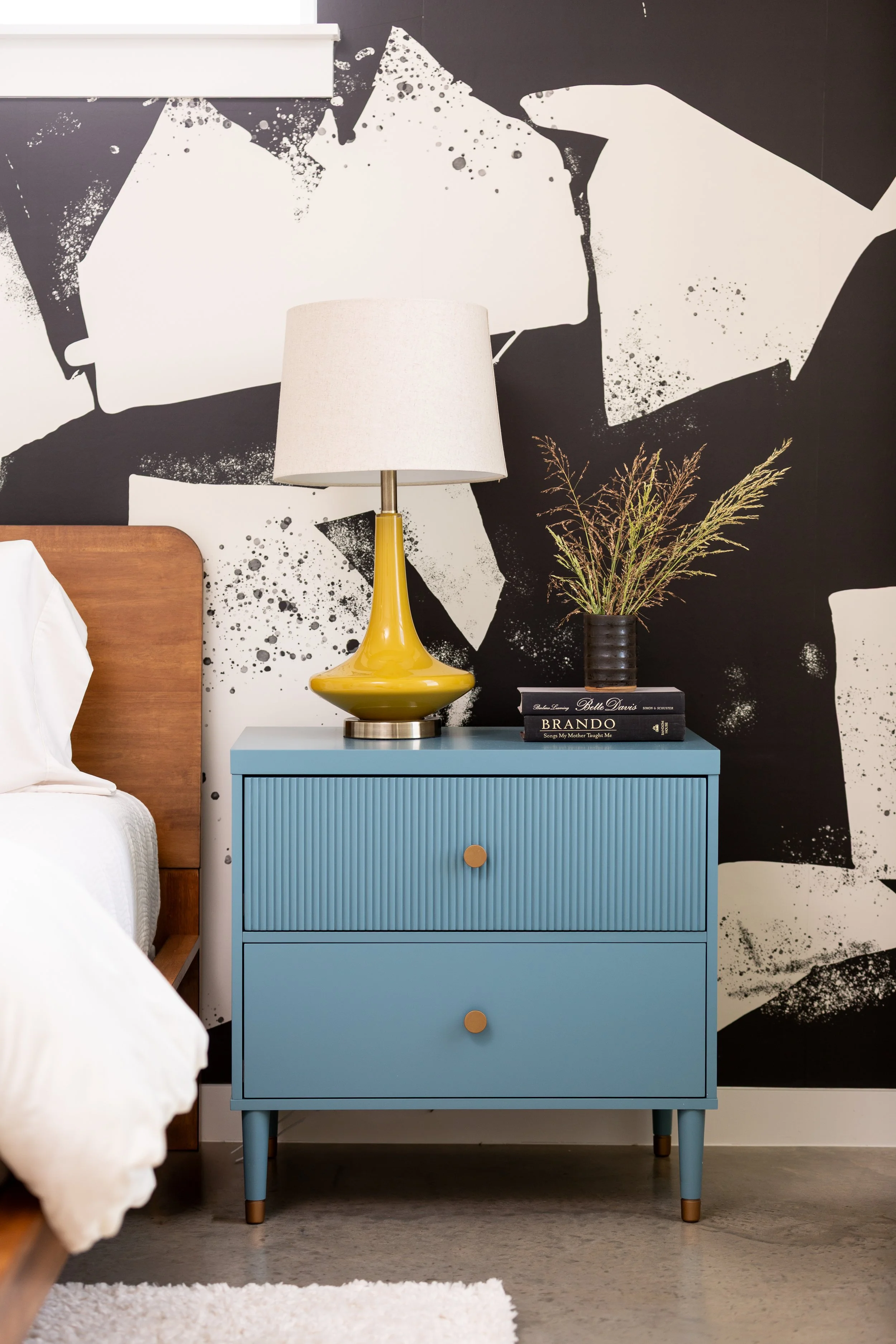
And a beautifully furnished bedroom isn't doing its job if there isn't somewhere to set a glass of water, plug in your phone or comfortably walk around the bed.
As you browse a designer's work, look beyond what photographs well.
Ask yourself:
Does this home feel livable?
Does the furniture look comfortable as well as beautiful?
Can I understand how people would actually move through and use these rooms?
Does the design seem to support the people who live there?
Because the best homes don't make you choose between beautiful and functional. They should be both.
6. Will Their Work Still Feel Like You in Five Years?
Trends aren't the enemy.
They can introduce us to new colors, materials, ideas and ways of using our homes. I use them too.
The question is whether the designer knows when a trend genuinely belongs in the house—and when it's simply having a moment on Instagram.
As you look through a portfolio, notice whether the projects feel grounded in the architecture, the people who live there and the way the home is actually used.
Does the designer seem comfortable making choices that are personal, unexpected or specific to that client?
Or do the projects feel tied to a particular moment in design?
A home doesn't have to be trend-free to age beautifully. It just needs to be more personal than trendy.
That's what I would look for.
You're Hiring More Than Pretty Pictures.
A portfolio should give you confidence.
Not simply because every project looks beautiful, but because the work gives you clues about the designer behind it.
Can they adapt to different clients? Have they handled projects with a scope similar to yours? Can they explain the decisions behind the finished room? Can you see evidence of problem-solving, function and thoughtful planning—not just beautiful finishes?
Because when you hire an interior designer, you're not hiring the portfolio.
You're hiring the person—and the thinking—that created it.
That’s what I’d be looking for.
And ultimately, the best portfolio shouldn't leave you thinking:
I want my house to look exactly like that.
It should leave you thinking:
I’d like to see what they could do with mine.

Rooftop Moment
If I could tell every homeowner one thing before they chose an interior designer, it would be this:
Don’t just look for the portfolio that makes you want that house. Look for the designer who makes you wonder what they could do with yours.
The best interior designers don’t create homes that all look alike—or simply copy and paste something you’ve seen before.
They listen. They interpret. They solve problems. They understand when to push an idea further and when something beautiful simply isn’t going to work for the way you live.
And in the end, they create homes that feel unmistakably like the people who live in them.
That’s the portfolio worth looking closer at.
And that’s the designer worth hiring.
Whether you’re planning a remodel, building a new home, furnishing an existing one or trying to determine what kind of design help your project actually needs, a Discovery Call is a good place to begin.
We’ll talk about your project, where you are in the process and what you’re hoping to accomplish—and determine whether MASH is the right fit.
Continue the MASH Guide to Hiring an Interior Designer
Coming Next:
Pretty Is the Easy Part. How Does Your Designer Actually Work?
You’ll learn:
What a professional interior design process actually looks like
Why the order of decisions matters
How designers keep hundreds of details, selections and moving pieces organized
What communication and collaboration should look like throughout a project
Why a good process can be just as important as good design
Because loving the finished design is important. Knowing how you’re going to get there matters, too.
