

What Are You Actually Paying an Interior Designer For?
Part 4 of 4 · Pricing
THE MASH GUIDE TO HIRING AN INTERIOR DESIGNER
The “MASH 4 Ps” Every Homeowner Should Consider Before Hiring an Interior Designer
The true value of an interior designer isn't found in their fee.
It's found in the experience, clarity and guidance they bring to hundreds of decisions along the way.

MASH Thought
The value of great design isn't measured by what it costs.
It's measured by what that investment brings to your home—and to the experience of creating it.
One of the easiest mistakes to make when hiring an interior designer is comparing proposals the same way you might compare bids for the exact same product.
But interior design isn't a commodity.
You're not simply paying for drawings, shopping lists or beautiful finishes.
You're hiring someone's experience, judgment, creativity, problem-solving, resources and ability to take hundreds of individual decisions and turn them into one home that feels cohesive, functional and distinctly yours.
And depending on the designer, you're also hiring very different levels of service.
That's why understanding how a designer charges is just as important as understanding what they charge.

1. Do You Understand How They Charge?
There isn't one “correct” pricing model for interior design.
Some designers charge hourly. Some charge flat design fees. Some charge by square footage. Some earn income through furnishings and product procurement. Many use a combination of several methods depending on the type of project.
None of those approaches is automatically better than another.
What matters is whether you understand the structure.
Before signing an agreement, you should be able to answer some basic questions:
What am I paying for?
What is included in the design fee?
What isn't included?
How are additional services handled?
How are furnishings and other products priced?
What happens if the scope of the project changes?
You don't need to become an expert in interior design pricing.
You just need to understand how your designer's pricing works before the project begins.
2. What's Actually Included in the Fee?
This is where comparing two design proposals gets tricky.
One proposal may initially appear less expensive...
until you realize the other designer included considerably more.
Depending on the project and firm, a design scope might include things such as space planning, construction drawings, cabinetry design, finish selections, contractor meetings, sourcing, procurement, installation coordination, styling and involvement during construction.
Another designer may offer only some of those services.
Neither approach is inherently wrong.
They're simply different scopes of work.
So if you're comparing proposals, don't start by looking at the number at the bottom.
Start by asking:
What am I actually receiving for that number?
Because two designers can both say they're designing your kitchen while providing very different levels of service.
Compare scope—not just price.
3. What Happens When the Project Changes?
Because projects change.
A material becomes unavailable.
A wall gets opened and reveals something nobody expected.
The construction scope expands.
You decide that while we're already doing this...maybe we should go ahead and do that too.
We've all been there.
And sometimes you simply change your mind.
None of those things necessarily means something has gone wrong. They're part of remodeling, building and even furnishing a home.
But they can affect the original scope.
Before hiring a designer, understand how those changes are handled.
How are revisions addressed?
What happens when additional rooms or services are added?
What if construction changes require drawings to be revised?
What happens if you change direction after something has already been designed?
A good agreement should give both the homeowner and designer a framework for those situations.
Clear expectations at the beginning prevent a lot of frustration later.
4. Understand the Value of Procurement
Procurement is one of those words that sounds much simpler than it actually is.
You just order the sofa, right?
Well...
Ordering is the beginning.
Depending on the firm's scope, procurement can involve placing orders, confirming specifications, reviewing acknowledgments, communicating with vendors, tracking lead times, coordinating freight, receiving and inspecting deliveries, resolving damages, arranging replacements, scheduling installation and making sure everything eventually gets where it belongs.
And that's before we fluff a pillow.
The same applies to custom furniture, lighting, rugs, window treatments and many of the pieces that make a home feel complete.
So if one designer includes procurement and another doesn't, you're not necessarily comparing the same service.
Ask how furnishings and materials are purchased, what procurement services are included and who is responsible for managing everything between “approved” and “installed.”
Because there's quite a bit of life between those two words.

5. Price Is Only Useful When You Know What You're Comparing
A lower design fee isn't automatically a better value.
And a higher fee doesn't automatically mean a better designer.
The important question is whether you're comparing similar scopes, levels of involvement and expertise.
One designer may provide a concept and selections.
Another may provide detailed drawings, custom design, procurement, contractor coordination, installation and continued involvement throughout construction.
Those aren't necessarily two prices for the same thing.
They're two different services.
And on a significant remodel or new build, what's not included can matter just as much as what is.
If something falls outside the designer's scope, who will handle it?
Will that be you?
Your builder?
Another consultant?
Is that something you're comfortable managing?
There's no universally right answer.
There just needs to be a clear one.
6. What Are You Really Paying For?
This is the part that's harder to put into a line item.
Yes, you're paying for tangible things: drawings, plans, selections, specifications, sourcing and whatever other deliverables are included in your scope.
But you're also paying for the thinking behind them.
You're paying for someone to recognize that moving a wall six inches could solve three other problems.
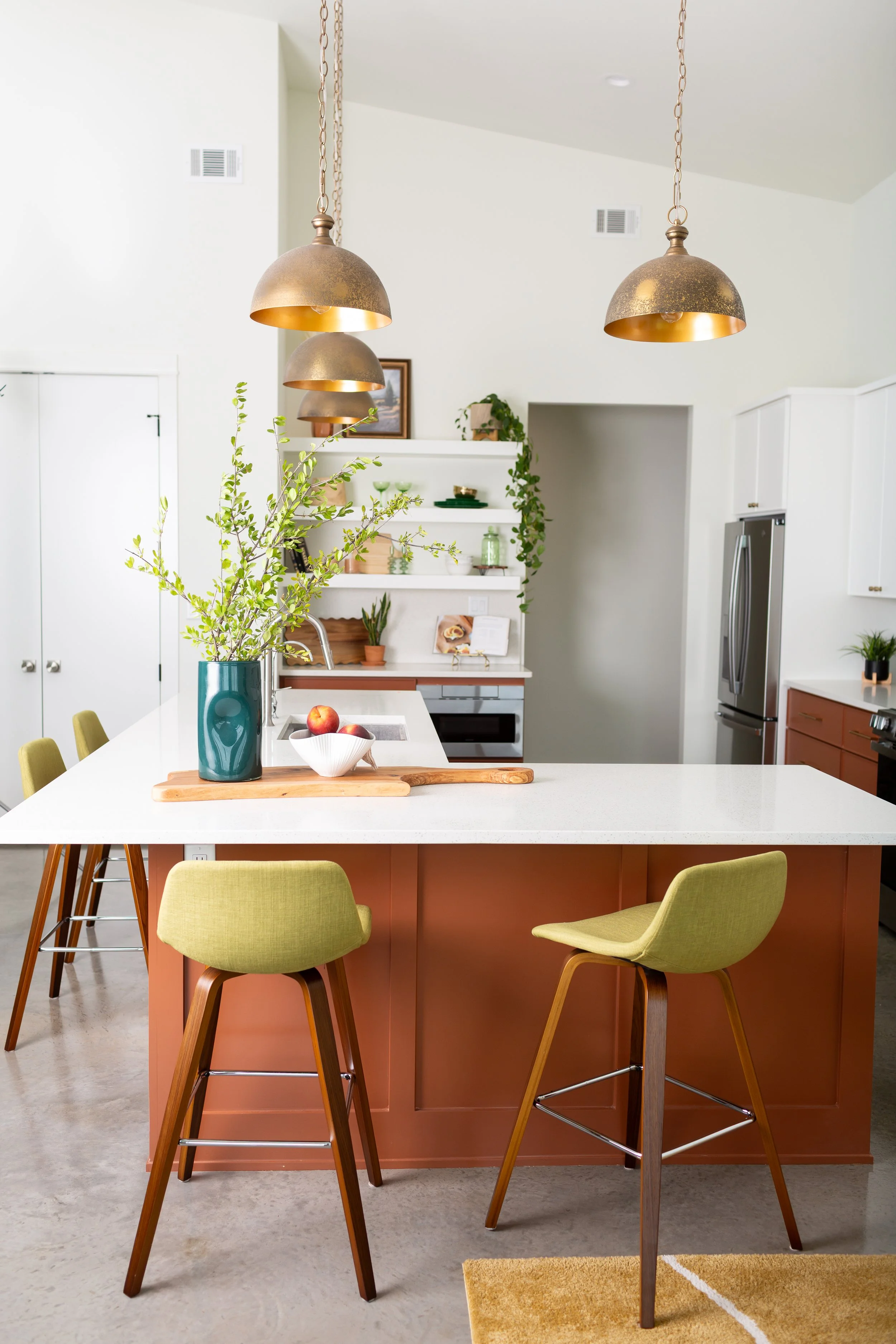
To notice that the beautiful pendant you've chosen isn't going to work with the ceiling height.
To tell you when the more expensive option really is worth it—and when it isn't.
To narrow 200 possible choices down to three good ones.
To think about how the room will look and how you'll actually live in it.
To see how today's decision affects something that may not happen for another six months.
And sometimes, to say:
I know you love it. But I don't think it's right here.
That's part of what you're hiring.
Not someone to make every decision for you. Someone who helps you make better decisions with confidence.

Ask Yourself One Final Question
Instead of simply asking:
“Who charges the least?”
Ask:
“Which designer gives me the most confidence in both the design and the process of getting there?”
Look for someone who communicates clearly.
Someone whose scope you understand.
Someone who can explain what is—and isn't—included.
Someone with experience relevant to the kind of project you're undertaking.
And, as we talked about way back in Part 1, someone you actually want to work with.
Because hiring an interior designer isn't simply about finding someone to make your home prettier.
You're choosing someone you trust to help guide what may be one of the largest investments you'll make in your home.
The MASH 4 Ps
If you've made it through all four parts of this guide, you've probably noticed something.
There isn't one single thing that tells you whether an interior designer is right for you.
It's the combination.
Personality. Projects. Process. Pricing.
Do you enjoy and trust the person you're hiring?
Does their portfolio demonstrate experience relevant to your project?
Do they have a process that gives you confidence?
And do you understand what you're paying for and what you'll receive?
When those four things align, you're in a much better position to choose a designer based on fit—not simply a beautiful Instagram feed or the number at the bottom of a proposal.
Want to Start at the Beginning?
Part 1 · Personality
You Love Their Work. But Will You Actually Like Working With Them?
Part 2 · Projects
A Beautiful Portfolio Is Only the Beginning. Look Closer.
Part 3 · Process
Pretty Is the Easy Part. How Does Your Designer Actually Work?
Part 4 · Pricing
What Are You Actually Paying an Interior Designer For?

Rooftop Moment
If I could stand on a rooftop and tell every homeowner one thing before they chose an interior designer, it would be this:
Don't choose a designer based on any one thing.
Not the prettiest portfolio.
Not the biggest Instagram following.
Not the lowest fee.
And not because your neighbor loved them.
Look at the whole picture.
Find someone whose work speaks to you, whose experience fits your project, whose process gives you confidence, whose pricing you understand—and whose personality makes you think:
Yes. I can work with this person.
Because the best designer for your home isn't simply the person who can make it beautiful.
It's the person you trust to help you make all the decisions it takes to get there.
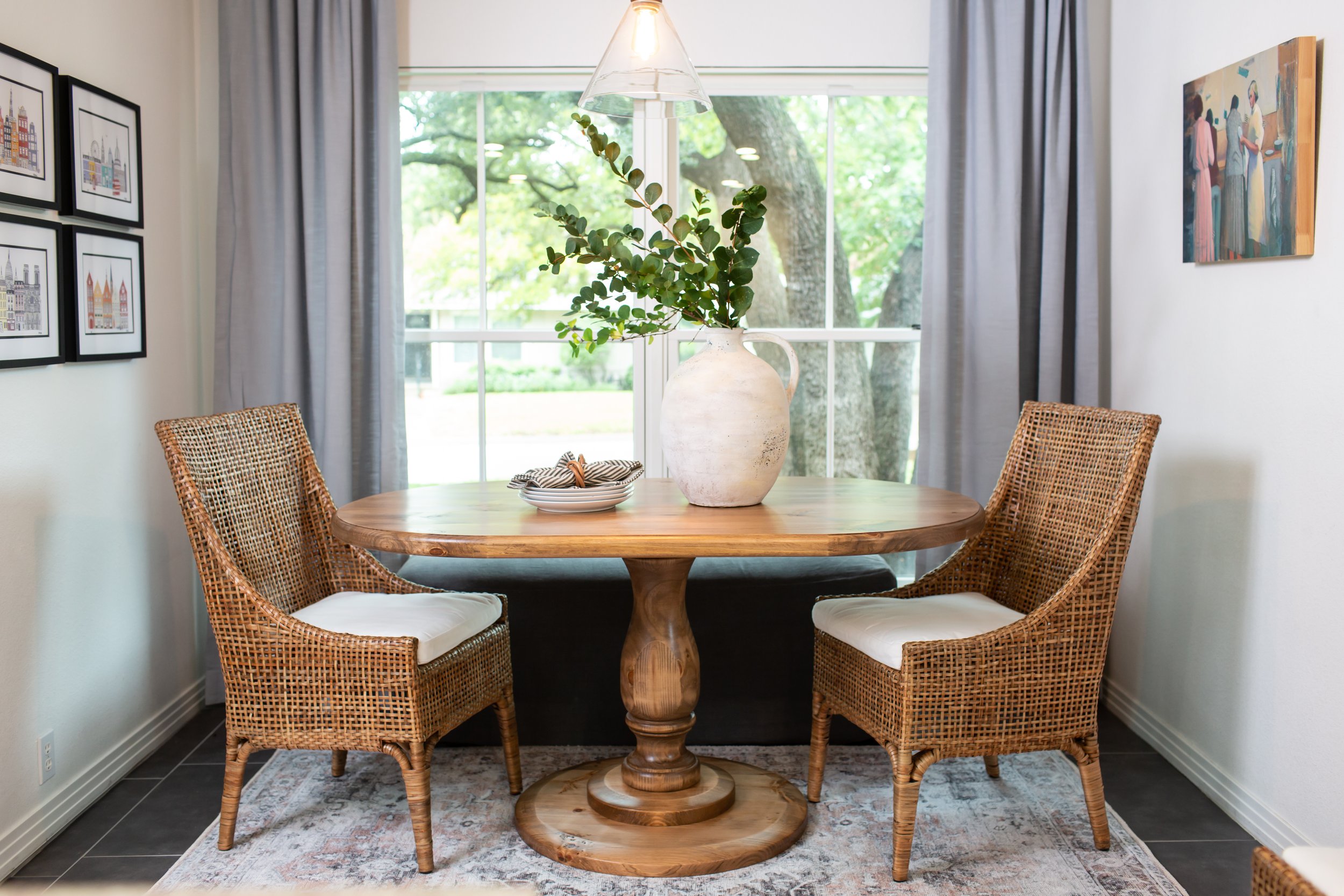
The best design decisions aren't measured by what they cost.
They're measured by how well they serve the people who live there.
Ready to Start the Conversation?
Whether you're remodeling, building a new home, furnishing an existing one or simply trying to determine what kind of design help you need, a Discovery Call is a good place to start.
We'll talk through your project, where you are in the process and what you're hoping to accomplish—and determine whether MASH is the right fit.
