

I Have Good Taste... Do I Really Need an Interior Designer?
If you've ever wondered whether having a good eye for design is enough to manage your own remodel, you're not alone. It's a question I hear all the time—and one that's worth exploring.
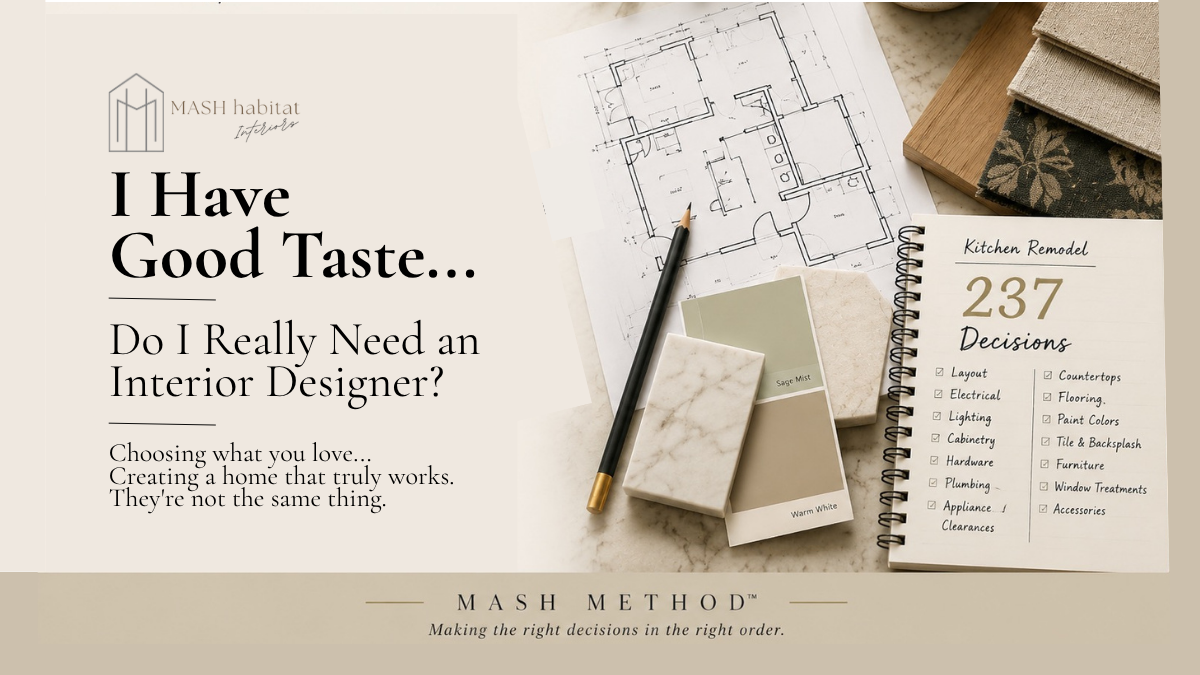
One of the most common things I hear from prospective clients is:
"I think I have pretty good taste... I just need a little help pulling it all together."
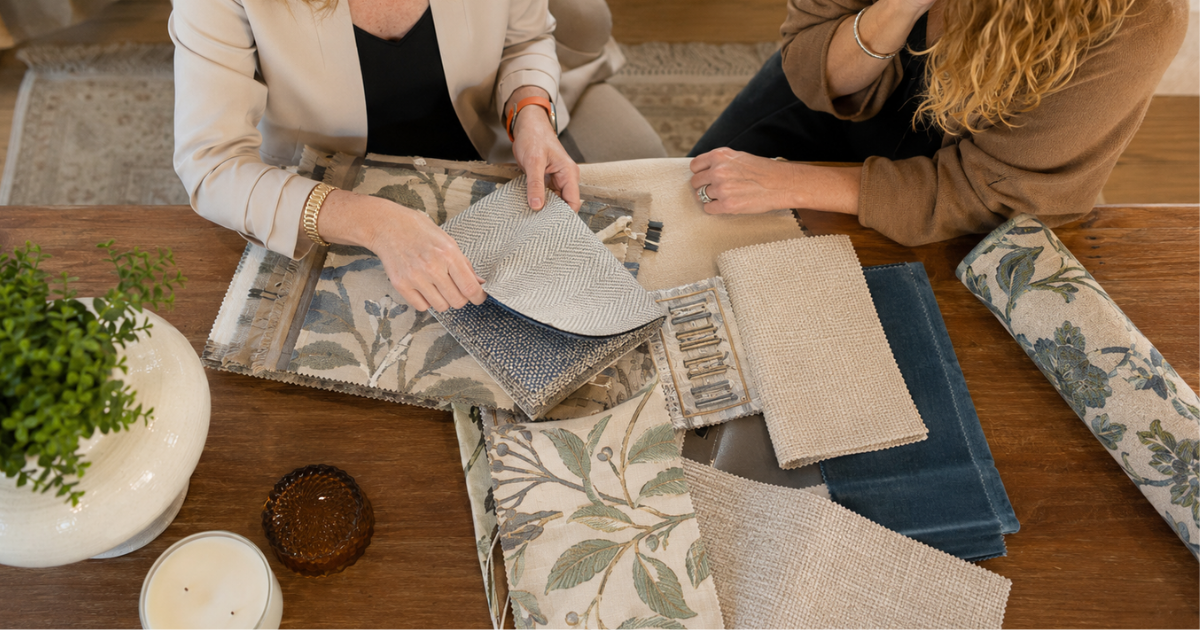
Beautiful homes don't happen by accident.
They happen through hundreds of intentional decisions.
Many of the homeowners who call us have a pretty good eye for what they like. More importantly, they know how they want their home to feel.
They know when they walk into a room and think, "This feels warm," or "I love this kitchen."
But translating that feeling into hundreds of decisions that all work together?
That's a completely different skill.
The challenge is that remodeling a home requires a completely different skill set than decorating one.
Those are two very different jobs.
Good taste chooses one thing.
Experience coordinates everything.
Think about it this way...
Imagine you've found the perfect pendant lights for your new kitchen island.
They're gorgeous.
You've already imagined them hanging over your quartz countertops.
Done, right?
Not quite.
Now the real questions begin.
Are they the right size for the island?
Will they block the sightline across the room?
Do they hang low enough to make a statement—but high enough that no one bumps their head?
Do they provide enough light, or will you need recessed lighting too?
Will they coordinate with the cabinet hardware, plumbing fixtures, and appliances?
Is the electrical wiring located in the correct spot?
Are they in stock, or will they delay construction by twelve weeks?
Suddenly, choosing one light fixture isn't one decision.
It's ten.
Multiply that by cabinetry...
Flooring...
Paint...
Tile...
Furniture...
Window treatments...
Plumbing...
Hardware...
Lighting...
And every other decision throughout your home.
Now you're not making twenty decisions.
You're making hundreds.
THE MASH METHOD:
The Remodeling Ripple Effect
Every remodeling decision affects the next one. The earlier those decisions are made intentionally, the smoother—and more beautiful—the entire project becomes.
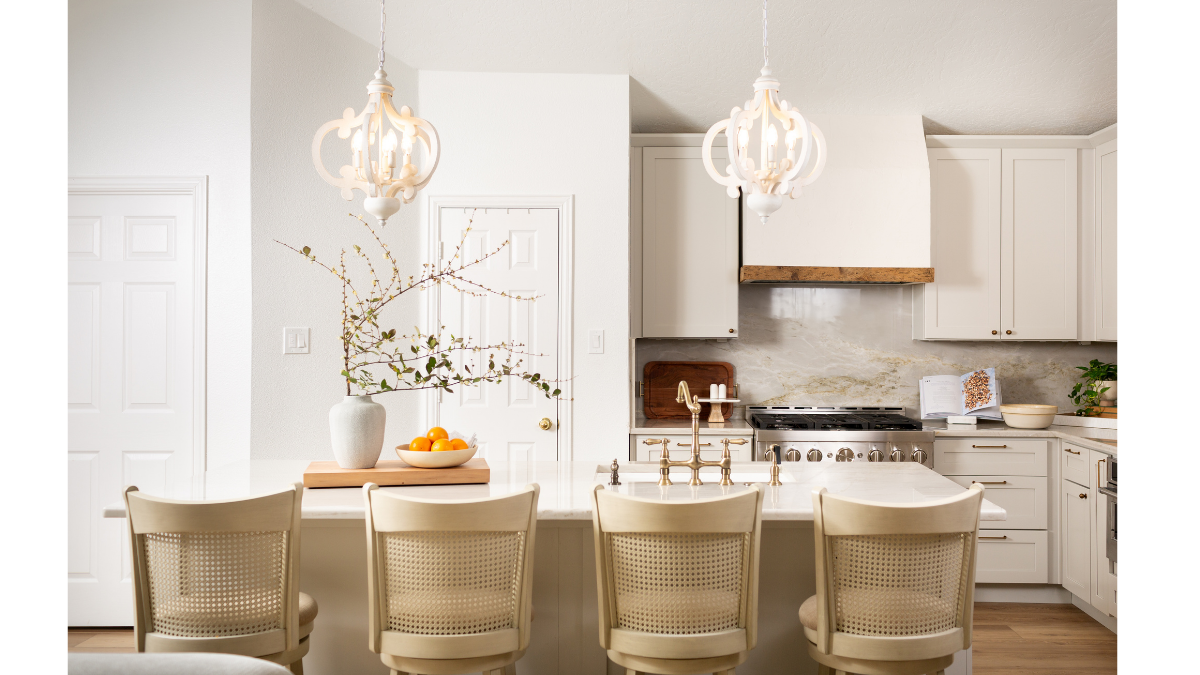
A single remodeling decision creates a ripple of decisions throughout your home.
This kitchen is a perfect example.
What started as one structural decision created a ripple through the entire project….Cabinetry placement, Electrical outlets, Countertop overhang, Island seating, Flooring direction, Appliance package, Paint selections, Furniture layout, Construction schedule—that’s the Remodeling Ripple Effect.
The earlier those decisions are made, the smoother everything becomes.
This is probably the biggest misconception about what I do.
People often imagine interior designers spending their days shopping for throw pillows and picking paint colors.
Don't get me wrong—I love creating beautiful spaces.
But that's only one piece of the puzzle.
Behind every beautiful room is a long list of decisions most homeowners never see.
Things like:
How wide should the walkways be?
Where should electrical outlets go?
Will those cabinet doors open without hitting the refrigerator?
Does the island have enough seating and enough room to walk around it?
Is there enough storage where you actually need it?
Will your dining light be centered on the table...or the room?
Where will the vacuum be stored?
Is there enough countertop next to the coffee maker?
Can you unload the dishwasher without blocking the kitchen?
Those aren't glamorous questions.
But they're the questions that determine whether you'll love your home for the next twenty years—or find yourself saying, "I wish we had thought of that."
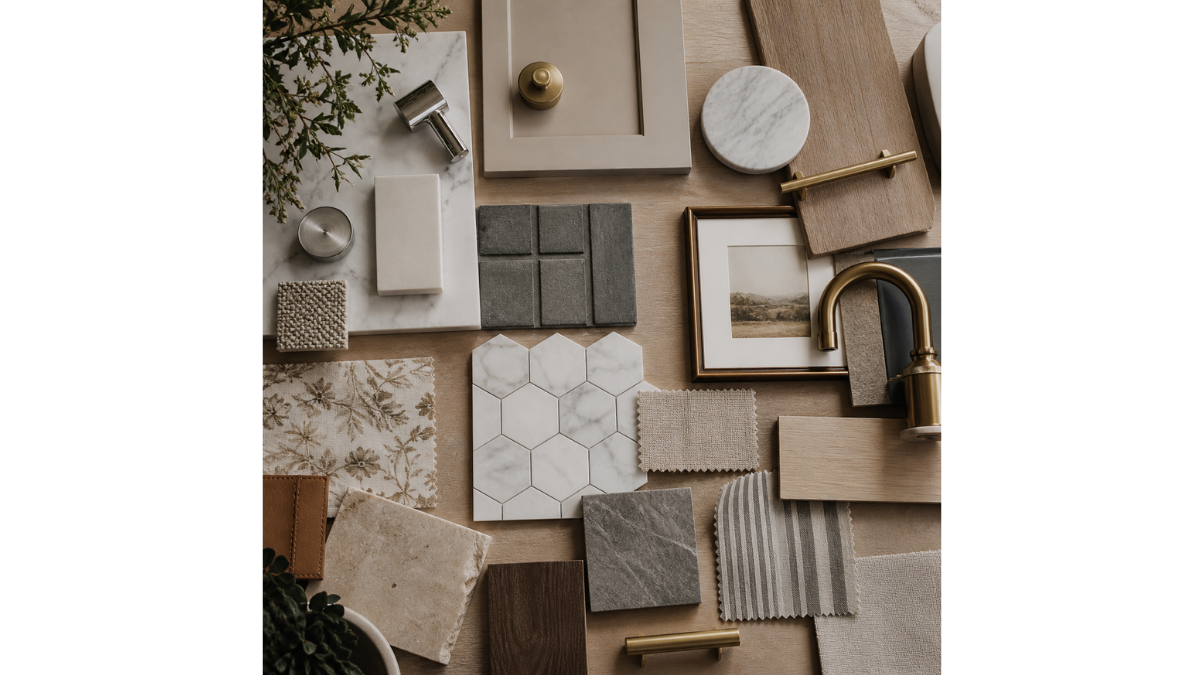
Every finish selection is connected.
Cabinetry, countertops, tile, hardware, plumbing, flooring, paint, and textiles all need to work together—not just individually, but as a whole.
One of My Favorite Questions Isn't About Design
When I meet with new clients, I rarely start by asking,
"What's your design style?"
Instead, I ask something like this:
"How do you want your home to feel?"
Who makes breakfast?
Where do backpacks land?
Does everyone gather in the kitchen while dinner is cooking?
Where does the dog sleep?
Who drinks coffee before anyone else wakes up?
Because those everyday routines tell me far more about how your home should function than whether you prefer modern, traditional, or transitional design.
Beautiful homes aren't created by choosing the perfect sofa.
They're created by understanding the people who live there.
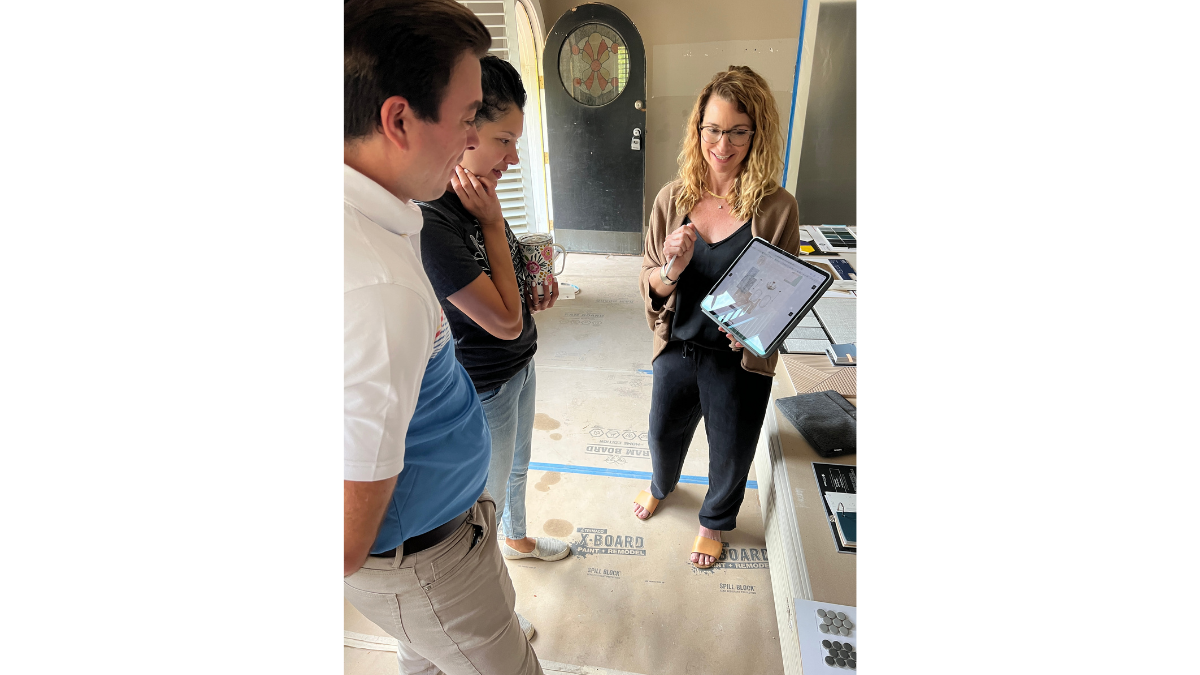
Every project starts with listening before selecting.
Beautiful homes begin with understanding the people who live there.
Here's What Surprises Clients the Most
At the end of a project, I often hear some version of this:
"I never would have thought about half of those things."
And my response is usually...
That's exactly why we make such a great team.
You're the expert on how your family lives.
I'm the expert on asking the questions that help your home support that life.
You know you want a beautiful kitchen.
I know to place the refrigerator where it won’t stop traffic flow, how much seating will work around the island and what the overhang should be, whether we need additional downrods for the pendants, and which style of counter edge would enhance the material.
Neither of us is expected to know the other's profession.
You may be an accountant, an attorney, a physician, or a business owner. You don't expect me to prepare your taxes or represent you in court.
You don't need to become an expert in remodeling before renovating your home.
That's where my years of experience come in.
Not to make decisions for you.
To help you make informed decisions with confidence.
Because beautiful homes don't happen by accident.
They're the result of hundreds of thoughtful decisions made before construction ever begins.
So... Do You Need an Interior Designer?
Not every project needs an interior designer. And that’s ok.
If you're painting a bedroom or updating a powder bath, you may feel perfectly comfortable tackling it yourself. Or maybe you've saved hundreds of inspiration photos but can't figure out why none of them seem to work together in your own home.
When your project involves decisions that create a ripple effect throughout the rest of your home, such as, moving walls, selecting cabinetry, coordinating lighting, planning electrical layouts, choosing finishes, working with contractors, ordering furnishings, and making hundreds of interconnected decisions...
Having someone guide the process can save far more than just time.
It can save expensive mistakes, decision fatigue, and the sinking feeling of realizing something could have been better if only you'd known to ask.

After more than a decade of designing homes…
I've learned that the best remodels don't begin with making selections—they begin with asking the right questions.
Final Thoughts…Every Great Remodel Starts with a Plan.
Knowing what you like is a wonderful place to start.
But a successful remodel isn't built on individual pretty pieces.
It's built on thoughtful planning, informed decisions, and understanding how every decision ripples through the home and affects the next.
That's what I love most about this work.
Not choosing the prettiest tile—although I do love that part too.
It’s helping families create homes that function beautifully, reflect who they are, and make everyday life just a little easier.
And for me, that’s always been the goal.
If you're thinking about remodeling your home, let's start with a conversation.
A Discovery Call gives us the opportunity to discuss your goals, answer your questions, and help you determine the best next steps for your project.
