

What if some of the smartest decisions we make in a remodel aren't about how your home looks today—but how beautifully it continues to work for years to come?
I've been thinking a lot lately about what makes a home feel luxurious.
Of course I love beautiful stone. Custom cabinetry. Gorgeous lighting. Wallpaper that completely changes a room. A fabric that makes you stop and touch it.
I'm an interior designer. I'm never going to stop caring about the pretty things.
Beautiful design and functionality have always gone hand in hand for me. And with new products, technology, and innovations giving us even more possibilities, there are so many ways to make our homes not just beautiful, but easier to live in.
A shower without a curb that feels seamless and is easier to access.
Lighting that transitions effortlessly from a bright, energizing morning to a soft, relaxing evening—with the help of a little automation.
A kitchen thoughtfully planned so everything you use every day is right where you need it.
Storage that doesn't require moving three things to get to the fourth.
A bedroom that feels quiet and restful.
A view of the trees from the chair where you drink your coffee.
A home that doesn't constantly ask you to work around it.
One of the greatest luxuries a home can offer is simply making everyday life easier.
And when you're investing in a home you plan to enjoy for years, that's something worth designing for.
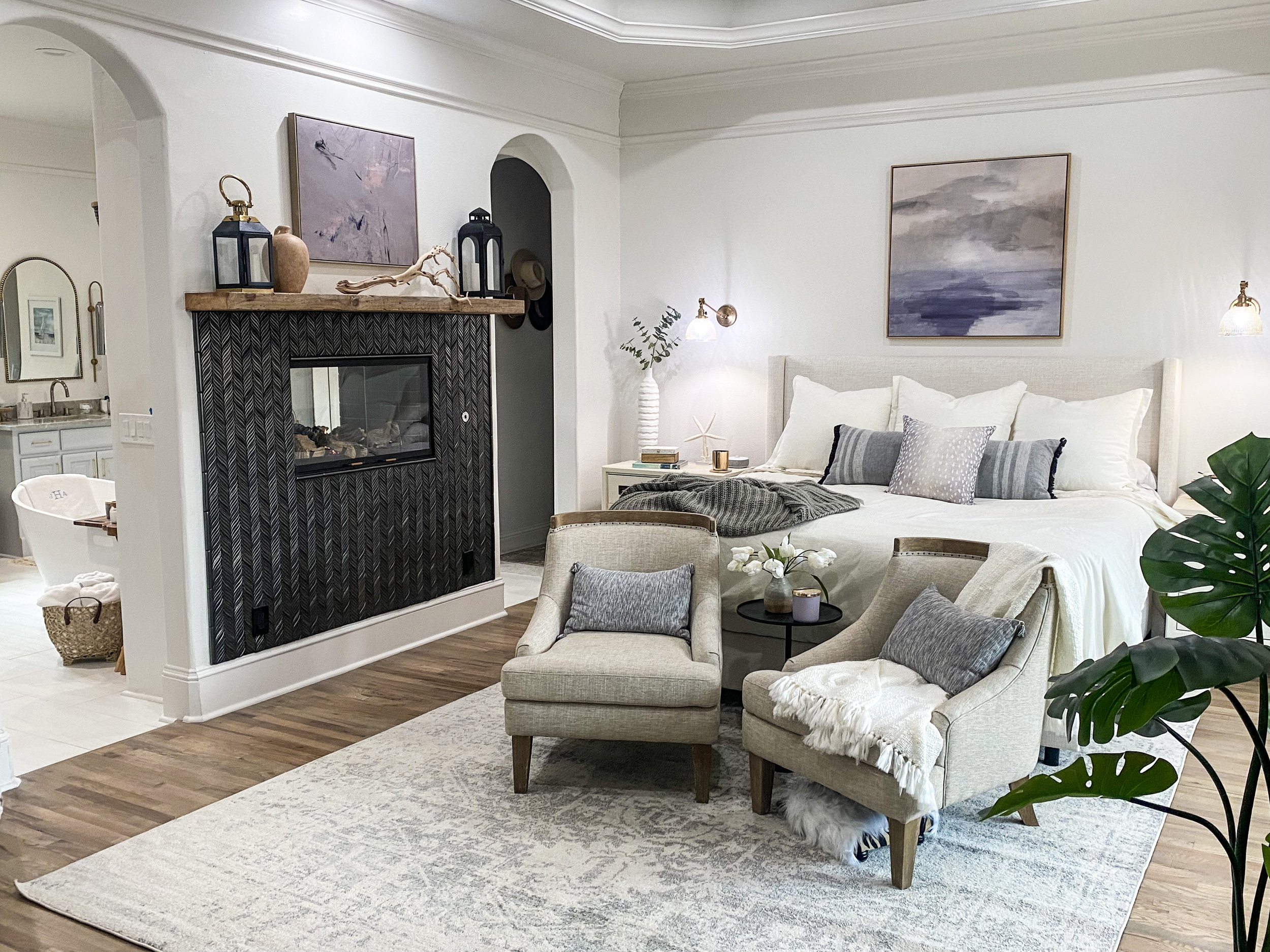
Comfort, thoughtful space planning, and a little room to escape the everyday.
Designing Around the People Who Live There
I've always believed that the best homes are designed around the people who live in them.
Every family has its own routines, preferences, priorities, and sometimes very specific needs. Understanding those details is one of my favorite parts of the design process. It's what allows us to create something that isn't just beautiful, but truly personal to the people who call it home.
And part of that conversation has always been about the stage of life our clients are in today, while also considering what might make their homes more comfortable and functional in the years ahead.
Recently, I've been working on a primary bathroom remodel where wheelchair accessibility is an important part of the design. And it's a perfect example of why these conversations matter.
There are so many considerations that go into designing a bathroom for wheelchair accessibility, and many of them aren't immediately obvious.
The height and configuration of the vanity, including whether there's adequate knee space to comfortably use the sink while seated.
The amount of clear floor space needed to maneuver and turn a wheelchair.
Doorway widths, including the shower entrance.
The placement of the toilet and whether there's enough room for a wheelchair transfer or assistance from another person.
The size and layout of the shower, including space for a shower chair and the placement of controls and a handheld shower.
Even the height of towel bars, robe hooks, and other everyday necessities.
And then there's the question of grab bars. Do we incorporate them into the design now, choosing styles and finishes that complement the bathroom? Or do we install structural blocking behind the walls so they can be added later if needed?
These aren't decisions I want to make for my clients. They're conversations I want to have with them.
Because there's a difference between understanding what might be beneficial someday and deciding what makes sense for the way someone wants and needs to live right now.
Some features are important to incorporate immediately. Others can be planned for without necessarily being installed today. And some decisions, especially those involving framing, plumbing, and clearances, are much easier to address before construction begins.
The goal isn't to include every possible feature.
It's to understand the options, make thoughtful decisions together, and
create a home that works beautifully for the people living there.
And really, that's what personalized interior design has always been about.
These are the kinds of conversations we have with our clients at MASH Habitat Interiors when planning remodels and new construction projects throughout Fort Worth and the DFW area.
Understanding how our clients live, what matters most to them, and how their needs may change over time is what allows us to create homes that feel truly personal.
Why I Prefer “Designing for Longevity” Over “Aging in Place”
The term works, I just don't particularly like it.
It sounds a little like we're designing for some distant version of ourselves who suddenly became old overnight.
That's not really how life works.
Our needs change. Families change. Bodies change. Kids leave. Parents visit—or sometimes move in. We work differently. We entertain differently. And things we barely noticed at 35 can become surprisingly annoying at 55.
That, also, doesn't necessarily mean I want to design a 55-year-old's house as though they're already 85.
Quite the opposite.
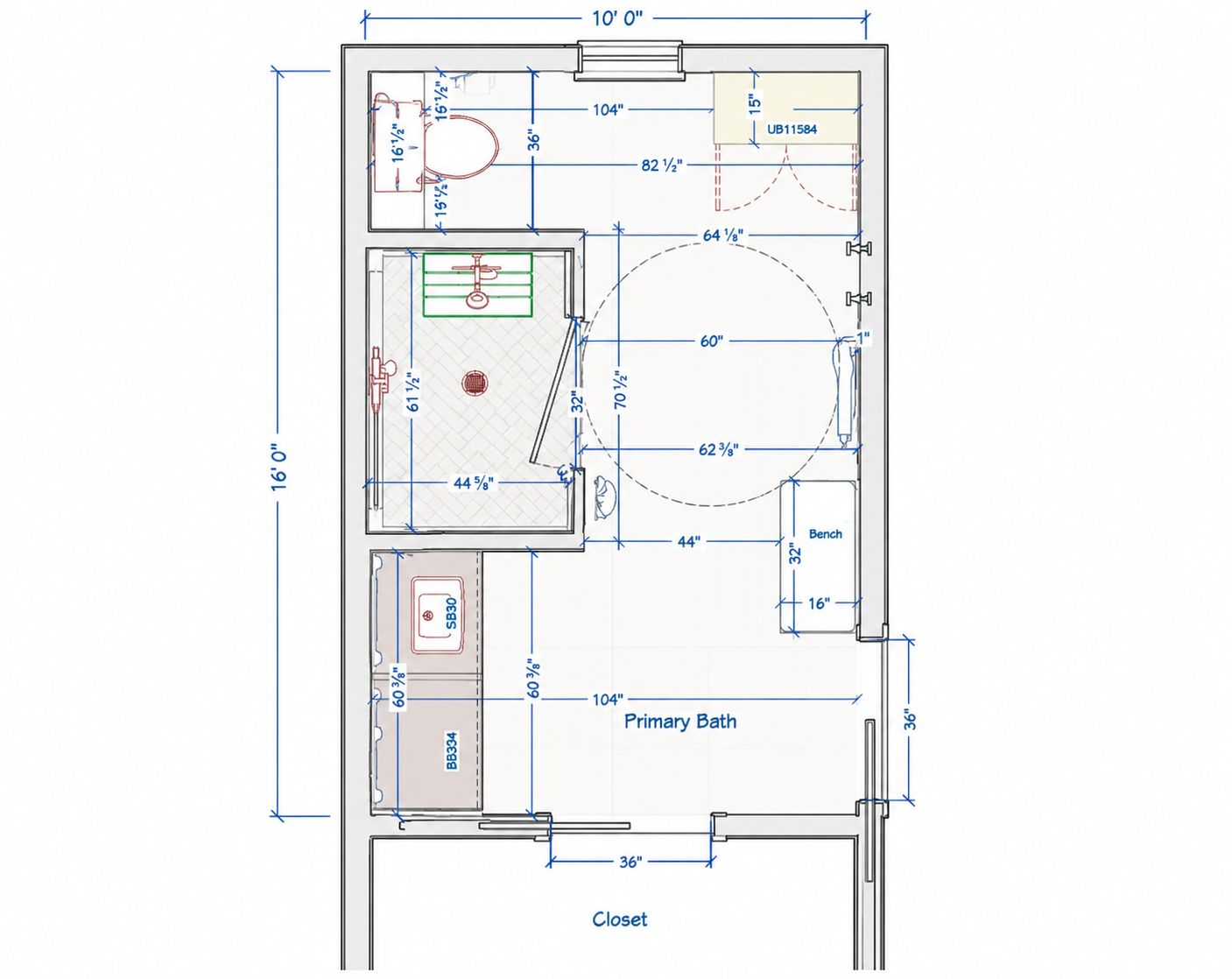
I want to create a beautiful home for the life they're living right now—while being smart enough not to make that home unnecessarily difficult to live in later.
I think of that less as “aging in place” and more as designing for longevity.
A well-designed home should work beautifully today without assuming you'll live exactly the same way forever.
Beautiful design begins with thoughtful planning. Generous clearances, practical storage, and flexible layouts help a home work beautifully today and adapt to tomorrow.
The Best Time to Think About Tomorrow Is Before Everything Is Built
One thing I've learned from years of remodeling homes is that some decisions are incredibly easy to make on paper—and considerably less easy once construction is underway.
Moving a wall on a floor plan? Easy.
Moving it after plumbing, electrical and cabinetry are installed? Not quite as much fun.
That's why I think it's so important to consider how a home might need to function in the future while we're already making decisions about it today.
If we're remodeling a bathroom, let's think about the shower threshold, the placement of fixtures and how easily someone can move through the space.
If we're designing cabinetry, let's think about storage that's easy to access instead of having to get down on the floor to find something in the back of a cabinet.
If we're building a new home, let's consider how the floor plan might accommodate different needs as life changes.
And if the walls are already open, let's think about what might be worth putting behind them before we close everything back up.
Not every consideration requires a change. And not every home needs every feature.
But these conversations are much easier—and often less expensive—to have before construction is complete.
When you're already remodeling, a little planning now can save you from costly changes later.
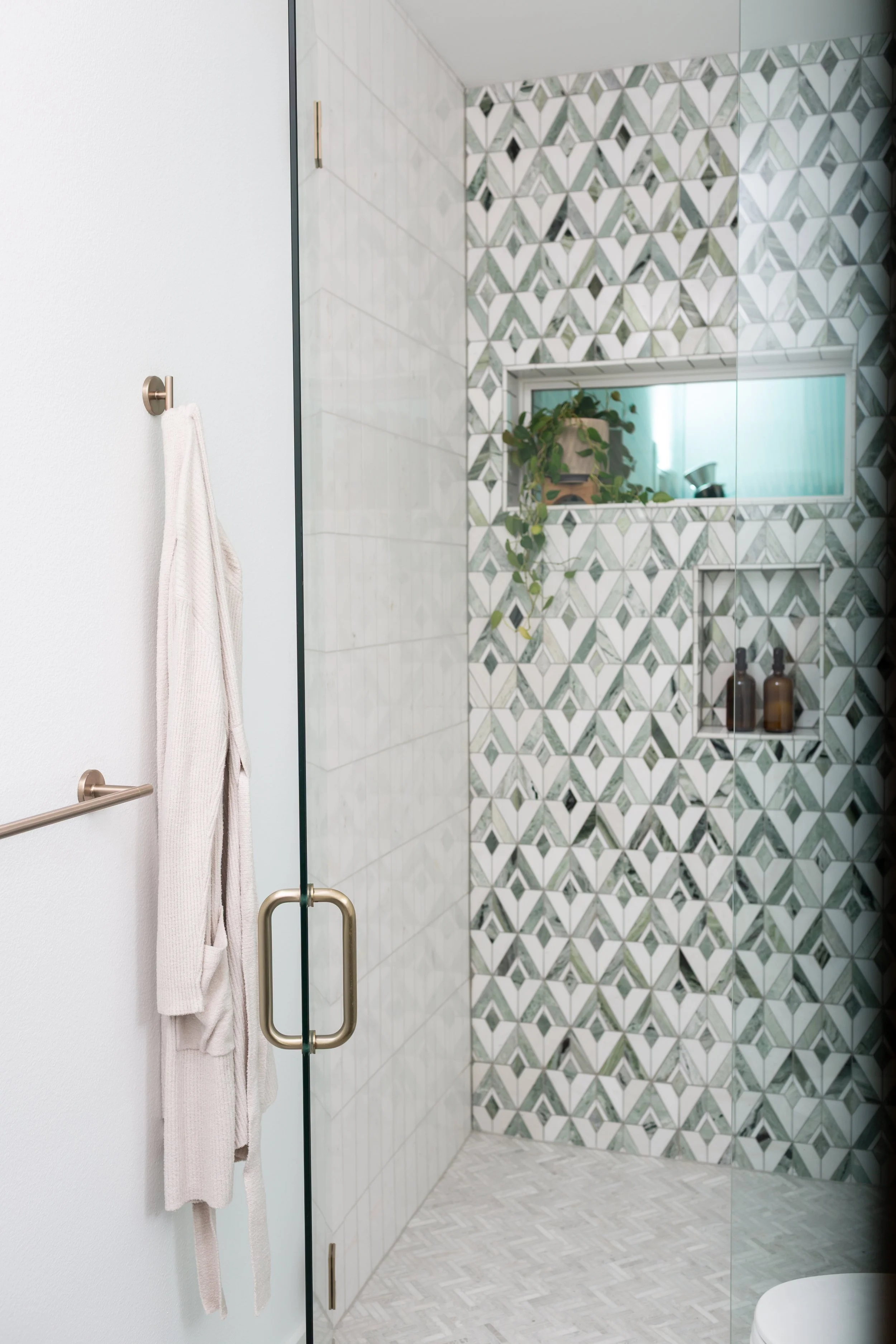
Beautiful design and everyday functionality can—and should—work together.
Future-Ready Doesn't Have to Look “Accessible”
This is where I think the conversation gets interesting.
When people hear words like accessible or aging in place, they often picture a very particular kind of space.
But thoughtful design doesn't have to look that way.
Take a zero-threshold shower. Eliminating the curb can make it easier to access, whether that's important today or becomes important later. It can also create a beautiful, seamless look.
Generous space to move through a bathroom makes it more comfortable for everyone while allowing greater flexibility as needs change.
Drawers make it easier to find what you need without getting down on the floor and reaching into the back of a cabinet. And they're just really good storage.
A handheld shower can accommodate changing needs, but it's also fantastic for cleaning the shower, rinsing off after the pool, or washing the dog.
And when walls are already open, we can add structural blocking for future grab bars without installing the bars themselves—provided they're not needed now.
Nobody sees it.
But if it's needed someday, the support is already there.
The best future-ready design doesn't announce itself.
It just feels thoughtful.
Long-Term Living Isn't Only About Mobility
There's another part of this conversation that's becoming increasingly important.
We're thinking more about how homes feel to live in.
Natural light that changes throughout the day. A bedroom that's quiet and restful. Comfortable temperatures, good ventilation, and lighting that can be bright when you need it and softer when you don't.
Beautiful natural materials. Views outside. Spaces that encourage everyone to gather—and places where you can get away from everyone when you've had quite enough gathering.
There's growing interest in wellness-focused homes and design that connects us more closely to nature. And I think there's a good reason for that.
But I don't believe every home needs a dedicated wellness room or the latest luxury amenity.
Sometimes it's the thoughtful, everyday details that make the biggest difference.
A home can take care of you in very quiet ways.
And I think that's an exciting direction for residential design.
What Is Designing for Longevity in Interior Design?
Designing for longevity means creating a home that works beautifully for the way you live today while thoughtfully considering how your needs may change over time.
It can include wider doorways, generous circulation space, accessible bathroom layouts, flexible floor plans, better lighting, and storage that's easier to use.
It's not about making every home look accessible or preparing for every possible future scenario. It's about making informed design decisions that improve everyday comfort and help a home remain functional for years to come.
For homeowners planning a luxury remodel or new construction project, many of these considerations are easiest to incorporate during the initial design process, before walls, plumbing, cabinetry, and other permanent elements are finalized.
A Forever Home Shouldn't Be Frozen in Time
There's another side to all of this.
Designing for longevity doesn't mean trying to predict every possible thing that could happen over the next thirty years.
We can't.
And I certainly don't want to design a house around fear of what might happen someday.
That's not living.
A forever home should be a place where you can enjoy the life you're living now, surrounded by things you love, while having the flexibility to accommodate whatever comes next.
Maybe that means entertaining more once the kids leave home. Maybe it means having family stay for extended visits. Maybe it means spending more time enjoying the house you've worked so hard to create.
Whatever the future looks like, your home shouldn't have to remain exactly as it is today to continue serving you well.
We don't have to design for every version of the future. We can simply stop designing as though nothing will ever change.
To me, that's designing with foresight.
And when we're already investing in making a home beautiful, it makes sense to make it work beautifully too.
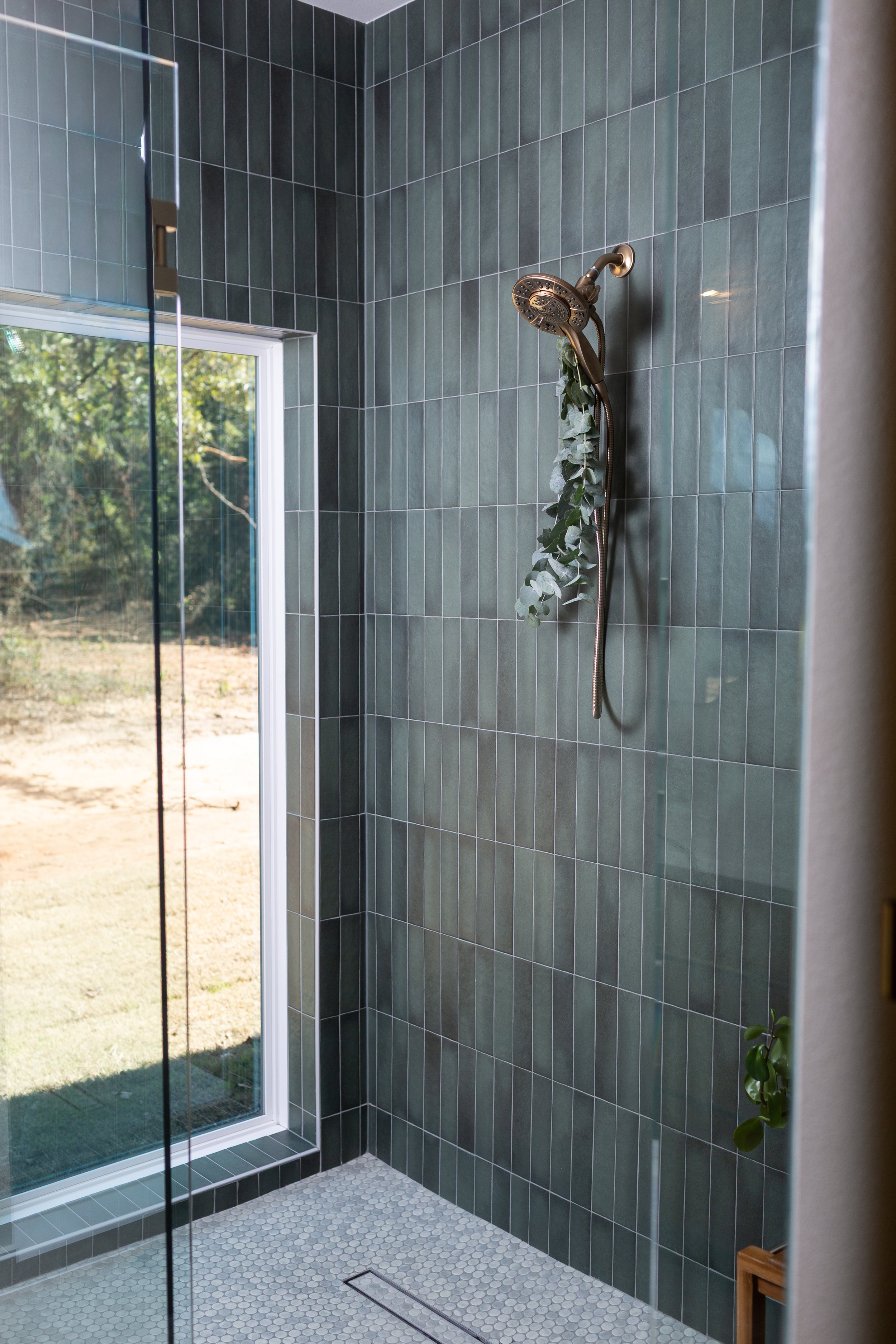
Thoughtful details like a handheld shower, generous space, and natural light make a bathroom beautiful to use—not just beautiful to look at.
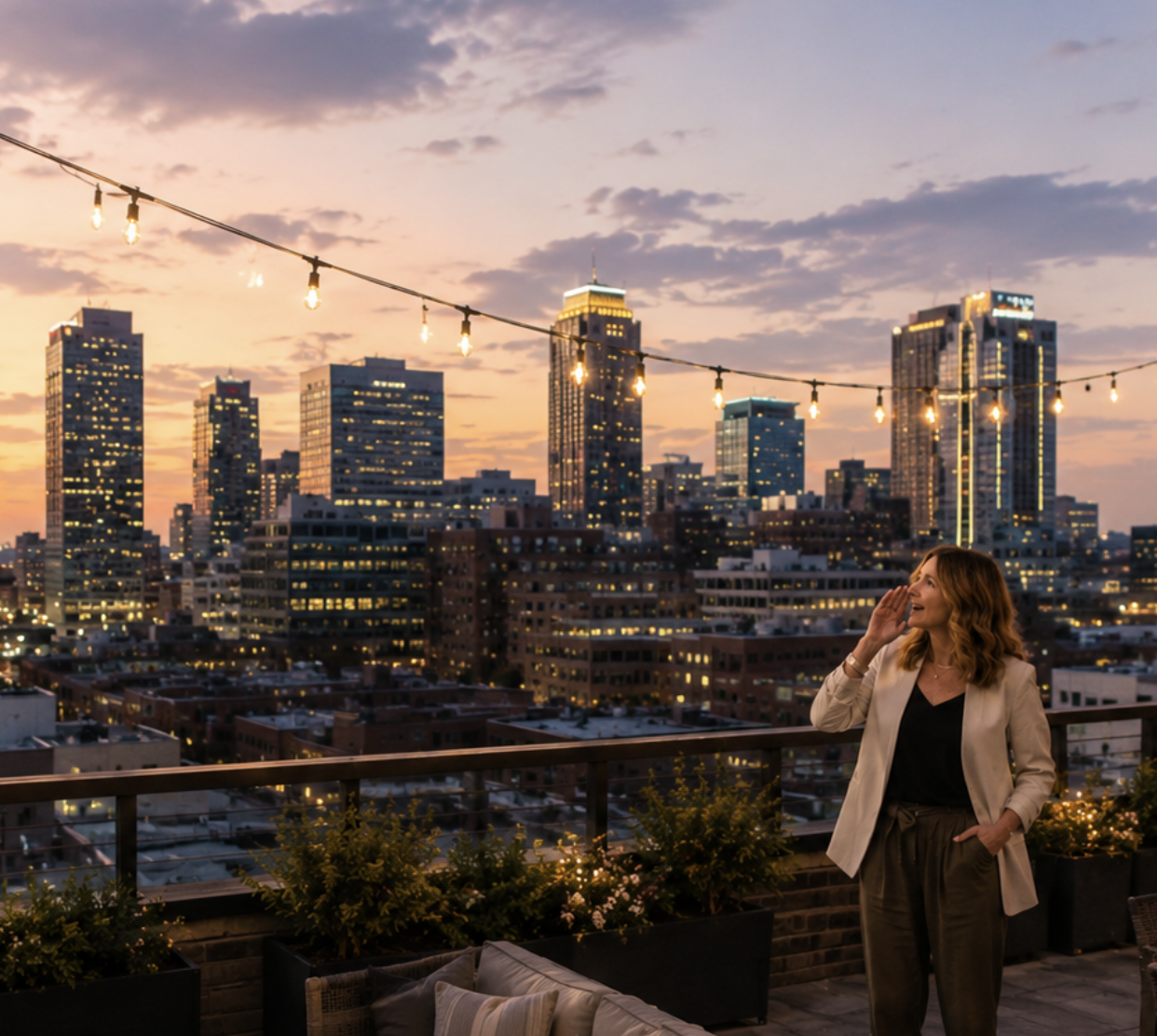
The Rooftop Moment
If I could tell every homeowner one thing before a major remodel or new build, it would be this:
Don't just think about how you want your home to look today. Think about how you want it to work for you in the years ahead.
Choose the incredible stone.
Use the wallpaper you can't stop thinking about.
Create the kitchen everyone wants to gather in.
Make it beautiful.
But don't overlook the decisions that may never make the reveal photo.
How easily you move through a room. Where the light falls. What you can reach. How comfortably the home supports your everyday life.
And which decisions will be difficult—or expensive—to change later.
Because the most thoughtful luxury isn't always another impressive feature. It's creating a home that continues to make your life easier, feels completely like you, and grows with you over time.
MASH Habitat Interiors is a Fort Worth interior design studio specializing in remodels, new construction, furnishings and full-service residential design throughout Fort Worth and the surrounding DFW area, with select projects throughout Texas and other destinations.
